Ethan Brooks
Ethan Brooks is the lead engineer at GeoIPHub, building the active-probing infrastructure behind its IP intelligence API. He writes about IP geolocation, VPN and proxy detection, and practical fraud prevention for developers.
Connect on LinkedInArticles by Ethan Brooks
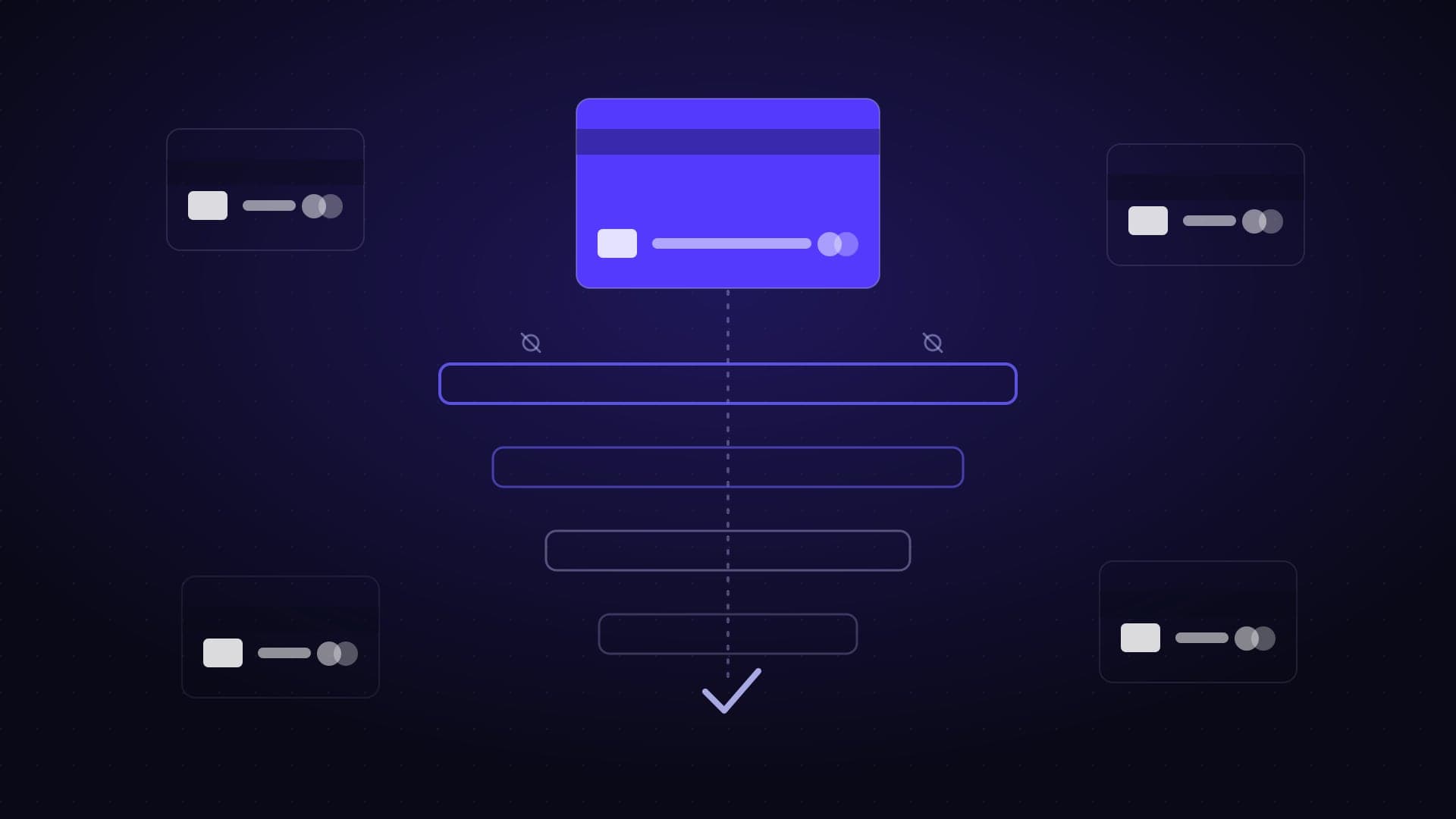
Payment Fraud Detection: Where IP Signals Fit in Your Stack
Payment fraud detection is a layered stack, and the IP is its earliest, cheapest layer. See what network signals catch before authorization and where they hand off.
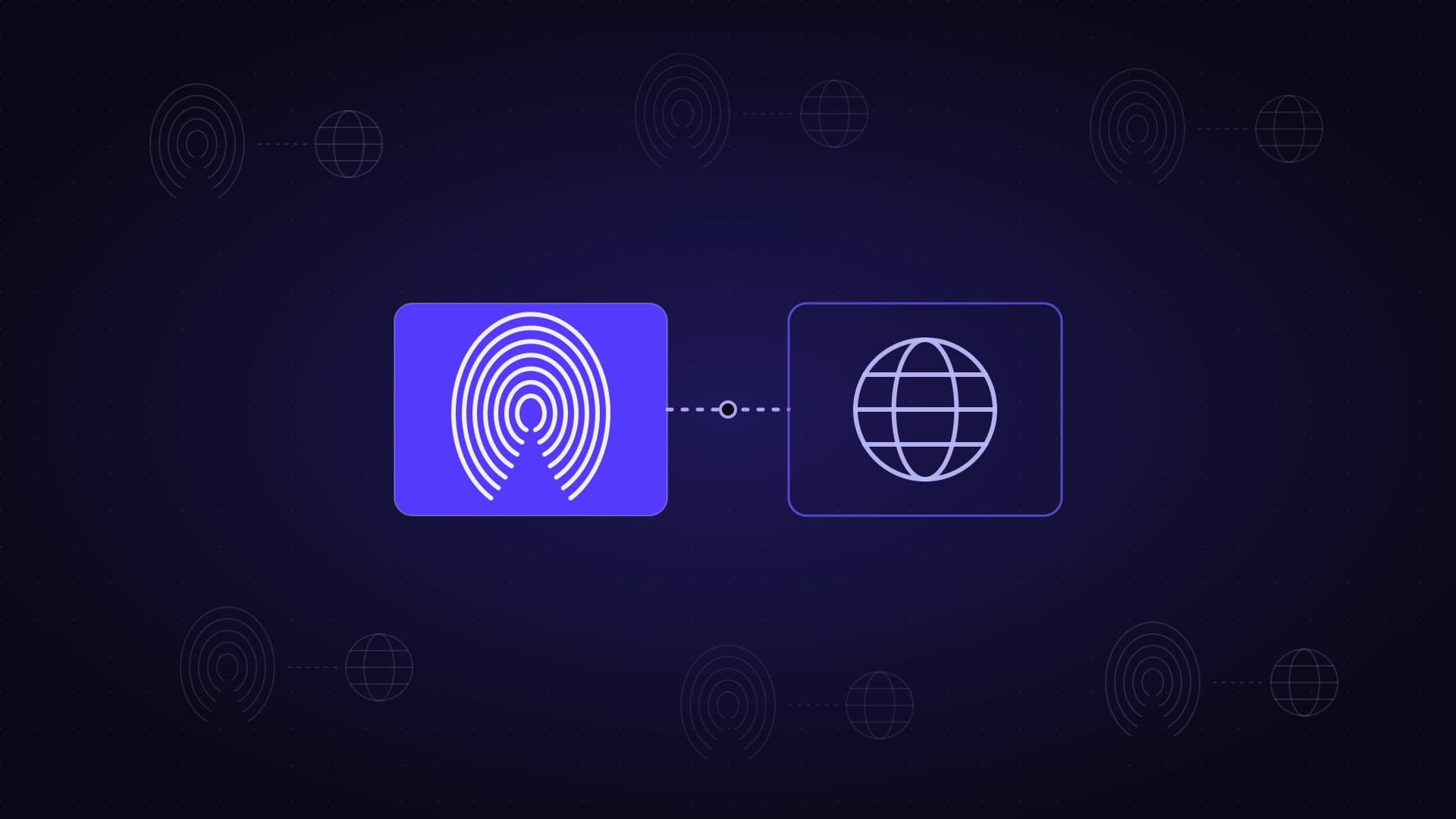
Device Fingerprinting vs IP Intelligence: Why You Need Both
Device fingerprinting recognizes a returning browser. IP intelligence tells you what network it is on. Here is what each layer sees, what each misses, and how to combine them.

Multi-Accounting Detection: How One User Becomes Fifty
Multi-accounting lets one operator pose as dozens of users to farm bonuses, evade bans, and rig reviews. See the network signals that collapse the ring.
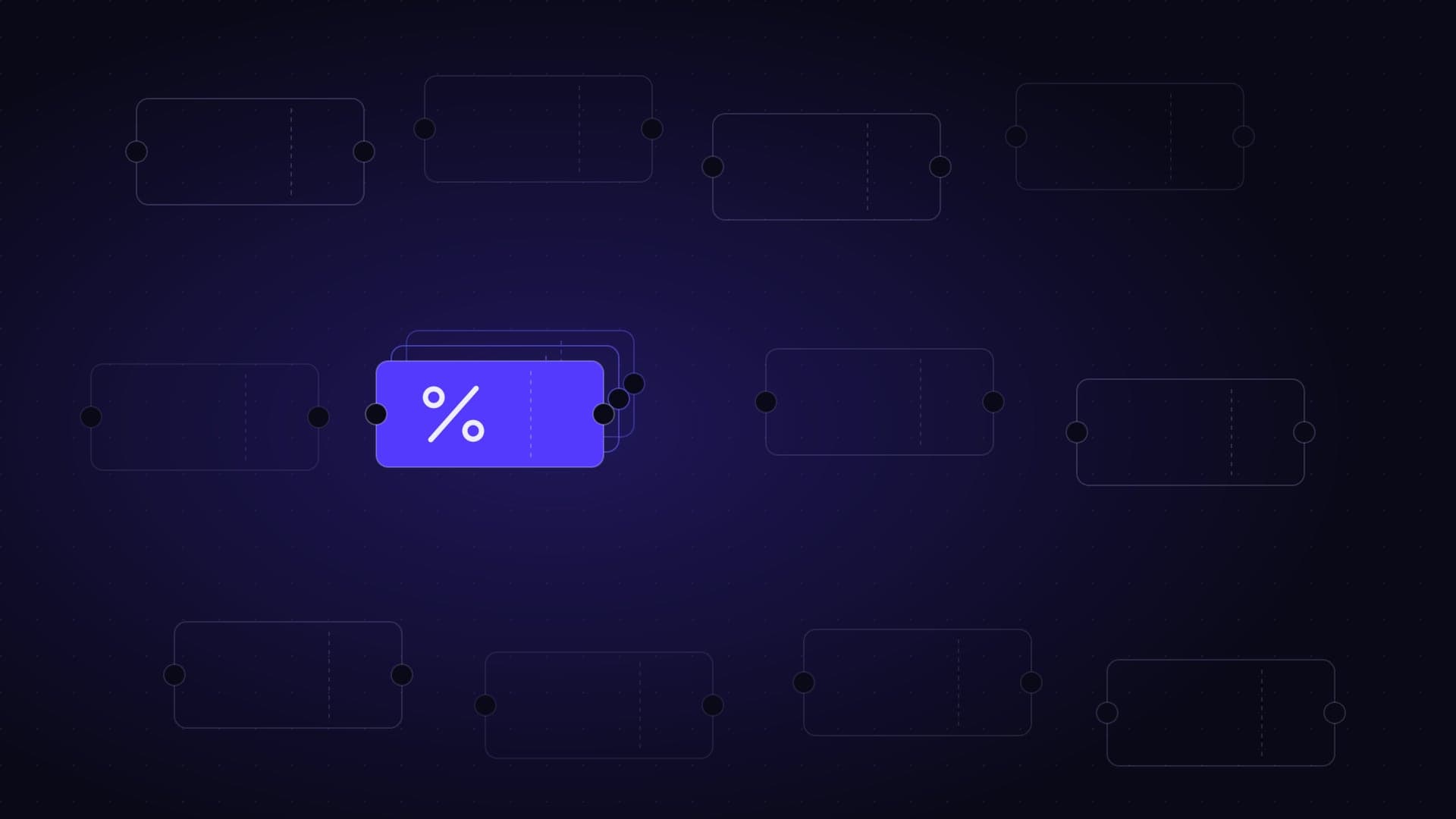
Promo Abuse: How to Detect and Stop Coupon and Referral Fraud
Promo abuse turns coupons, referral bonuses, and signup offers into organized fraud. See how abuse rings operate and the IP signals that expose them.

IP Fraud Score: What It Means, Score Ranges & How to Check
What an IP fraud score is, what counts as a good or bad score on the 0–100 scale, why scores spike, how to lower one, and how to check any IP address free.

How to Rate-Limit and Block IPv6 Abuse by /64 Prefix
Rate-limiting or banning a single IPv6 /128 is useless — one subscriber owns a whole /64. Key limits and blocks on the /64, escalate to /56 and /48, and decay reputation.

Best IP Data Service: How to Choose an IP Intelligence API
How to choose the best IP data service: the things that separate a real IP intelligence API from a thin one — full data on every plan, verified detection, and an explainable risk score.

How to Reduce Chargebacks with IP Detection
Reduce chargebacks by scoring the IP behind every card-not-present order — stop CNP fraud before it disputes, and win friendly-fraud representments with IP evidence.
A Complete List of IP Data Fields You Need to Know
Every IP data field explained: geolocation, ASN, connection type, VPN flags, threat signals and a fraud score — plus how top IP APIs compare, field by field.

How Accurate Is IP Geolocation? What the Independent Research Actually Shows (2026)
IP geolocation is ~99% accurate at country level but weaker at city level — independent studies find median errors of 11–18 km. The evidence and how to use it.

How to Detect Tor Traffic by IP: Exit Nodes, Risks, and Detection Methods
Tor hides users behind relays, so you only see the exit node. How to detect Tor exit nodes by IP — and handle Tor traffic without blocking legitimate users.

How to Prevent Cyber Attacks Using IP Geolocation
Use IP geolocation to block automated attacks, catch login anomalies, and filter invalid traffic before it hits your app — with working code for each technique.

The Role of IP Intelligence in the Fight Against Cybercrime
How IP intelligence fights cybercrime: ASN, VPN/proxy, datacenter and risk signals that turn the source IP into a frontline defense against fraud and bots.

How to Verify AI Crawlers and Agents by IP: Reverse DNS, CIDR Ranges, and Web Bot Auth
Verify GPTBot, ClaudeBot, Googlebot and AI agents by IP using forward-confirmed reverse DNS, published CIDR ranges, and Web Bot Auth (RFC 9421).

What Is an ASN? Autonomous System Numbers Explained
An ASN (Autonomous System Number) identifies the network an IP belongs to and who operates it — one of the most revealing signals about any request.
What Is IP Intelligence? Beyond Basic Geolocation
IP intelligence is everything an IP reveals: geolocation, ASN, infrastructure, anonymization, threat history, and an explainable risk score.

What Is IP Reputation? The Complete Technical Guide
IP reputation is a scored judgment of how trustworthy an IP is, built from abuse history, anonymization, blocklist presence, and infrastructure type.

How to Detect Click Fraud by IP Address (Without an Exclusion List)
IP exclusion lists cap at 500 per campaign and fraud IPs rotate faster than you can add them. Here is how to detect click fraud by IP with scoring instead.

How Geolocation Data Enhances Regional Content Licensing
Regional content licensing limits distribution to specific territories. How IP geolocation enforces it on every request — and why VPN detection is essential.

What Is a VPN and How to Detect VPN Traffic on Your Site
What a VPN is, how it hides a user's real IP address, and how to detect VPN traffic on your site — including how to score VPN orders at your Shopify checkout.

How to Detect Mobile Proxies: Why 4G/5G IPs Beat Basic IP Checks
Mobile proxies route fraud through real 4G/5G carrier IPs shared by thousands of users. Why they beat basic IP checks — and the signals that catch them.

What Is IP Geofencing? How It Works, Use Cases, and How to Implement It
IP geofencing uses a visitor's IP to allow, block, or localize content by location. How it works, where it fails, and how to implement it correctly.

Why Are So Many Residential Proxies in My Traffic?
Residential proxies are cheap, abundant, and nearly invisible to basic IP checks. Why they flood your traffic, where they come from, and what to do about it.
What Is a Datacenter IP Address? How to Detect Cloud & Hosting Traffic (Without Blocking Real Customers)
A datacenter IP is announced by a hosting or cloud provider, not a consumer ISP — a strong fraud signal. How to detect datacenter IPs without false declines.
What IP Fraud Score Should You Block At?
Set IP fraud score thresholds that actually work — per-action cutoffs for login, signup, and checkout using an explainable 0-100 IP risk score.

Account Takeover & Credential Stuffing: How to Detect and Stop It with IP Intelligence (2026)
How to detect and stop account takeover and credential stuffing with IP intelligence as a weighted risk signal, not a blunt block — per OWASP and NIST.
AI Shopping Agents at Checkout: How to Stop Bot Fraud by IP Without Blocking Real Sales
Stop carding, ATO and scalper bots at checkout with IP, ASN and connection-type signals plus a 0-100 risk score — without blocking real AI-agent sales.

How to Add Real-Time IP Fraud Detection to Your App in 10 Minutes (Free API)
Add real-time IP fraud detection to your app in ~10 minutes: score every signup, login, and checkout for VPNs, proxies, and fraud with one free API call.

Not All Anonymous Traffic Is Fraud: Detecting VPNs and Privacy Tools Without Blocking Real Customers
Apple Private Relay, WARP, corporate VPNs and CGNAT all hide a user's IP — most users are legitimate. Detect anonymized traffic without false declines.

Residential Proxy Fraud in 2026: Why the IPs You Trust Most Are Now the Riskiest
Residential proxy networks now appear in 94% of organizations' security incidents. How the fraud works, why legacy IP checks miss it, and how to detect it.

IP Risk Scoring: Turning 40+ Fraud Signals Into One Decision-Ready Number
How an explainable 0–100 IP risk score is built: the signal groups that feed it, how weighting works, and the thresholds for allow, challenge, or block.
How VPN and Proxy Detection Actually Works: 8 Signal Layers Explained
A practical breakdown of the 8 signal layers behind modern VPN and proxy detection — from provider lists and ASN analysis to active protocol probing.
Try GeoIPHub free
1,500 API requests every day, every data field included, no credit card required.
Get Started Free